
Pareora
Catchment Group
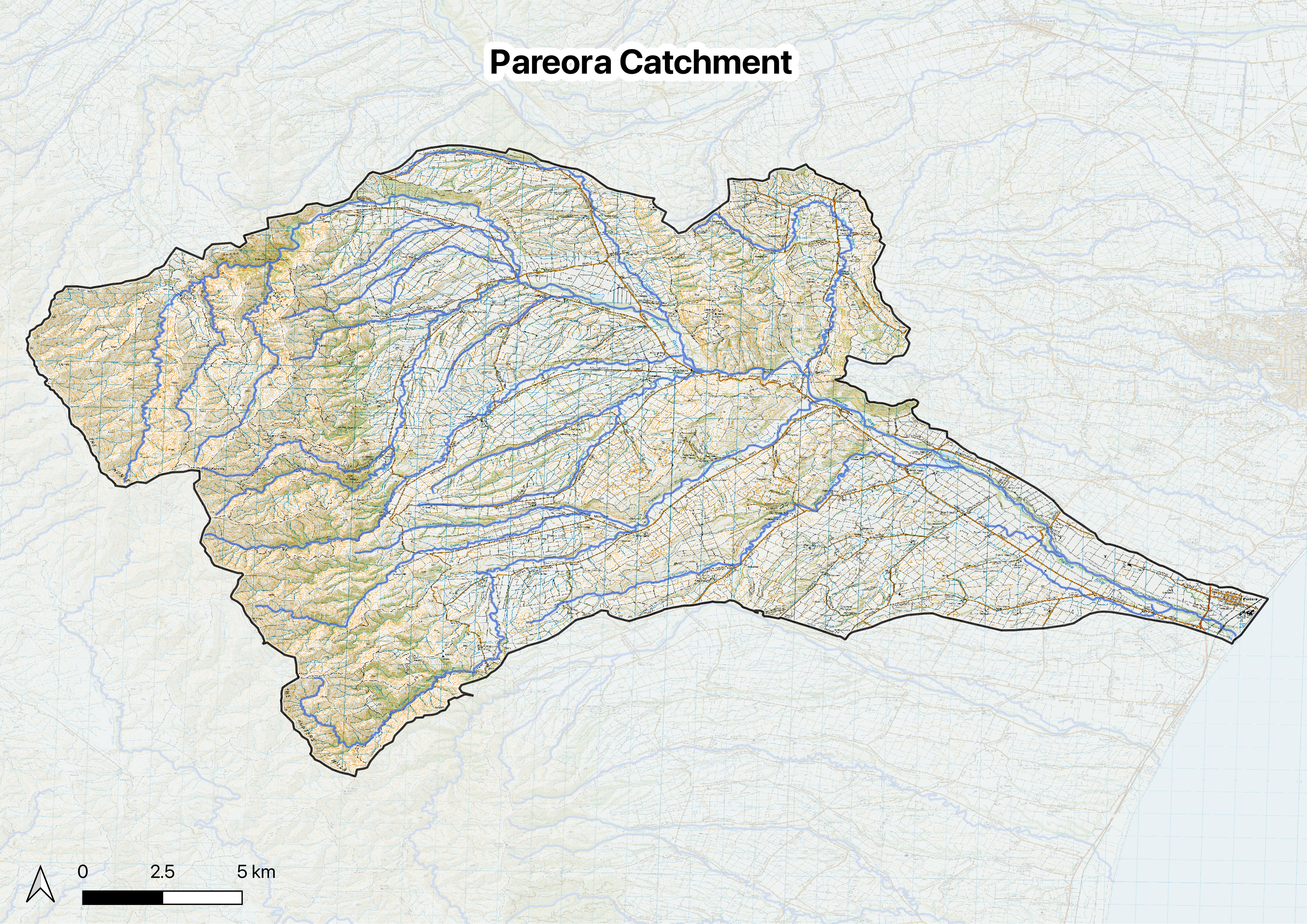
From the rugged high country of the Hunter Hills, through to distinctive limestone hill country, to rolling downlands near the coast, Pareora Catchment showcases the full spectrum of the region's geography. Farming and nature exist side by side in Pareora, with a unique blend of QEII covenants and biodiversity remnants across the working landscape.
Farm Plan Workshops
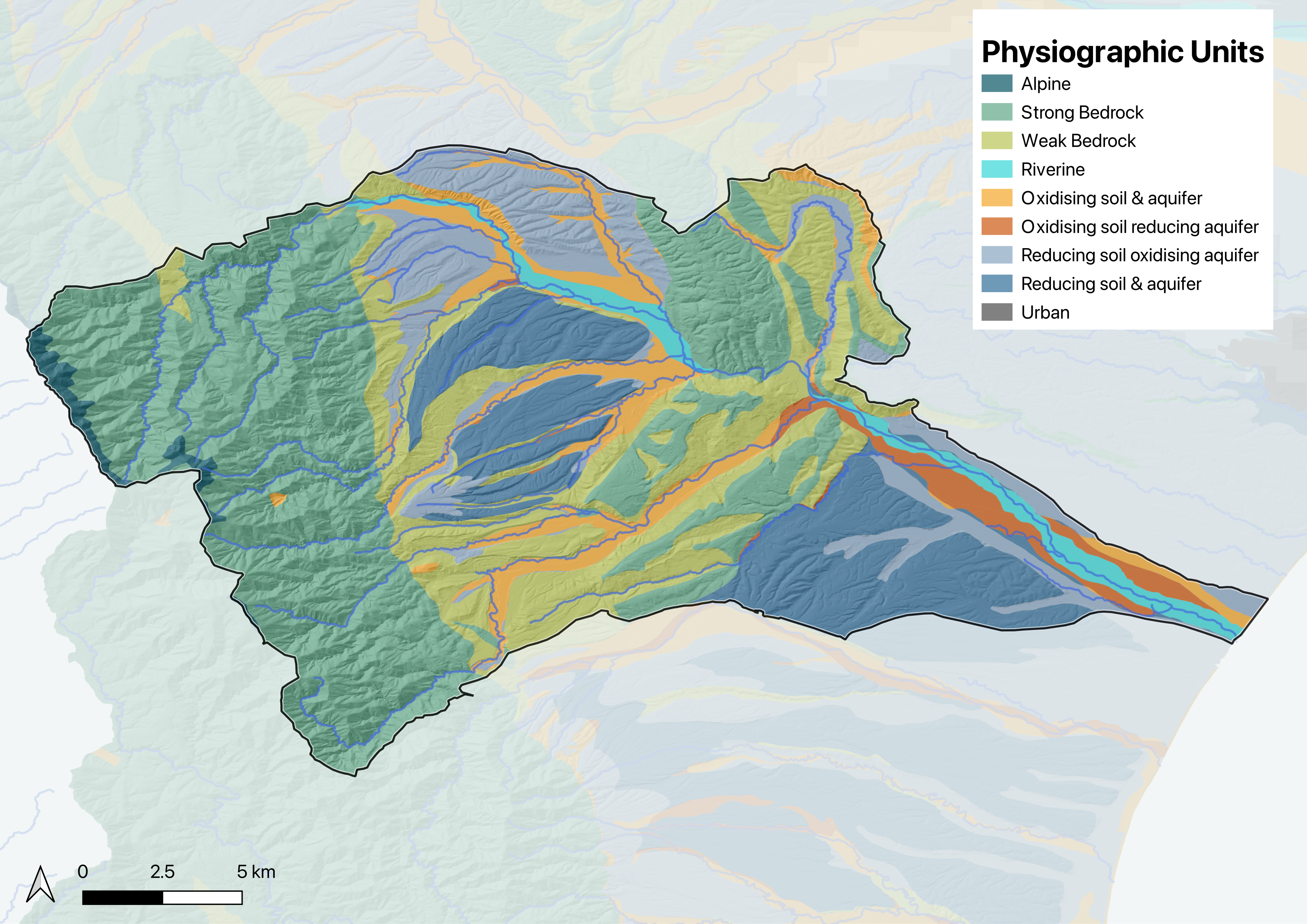
The catchment group is a vehicle for the community to work together to reduce environmental impact and efficiently address regulatory issues. The group has embraced innovation, hosting several workshops to understand and apply physiographic maps in farm plans, and eDNA samples have been taken in a number of places across the catchment.
Collaboration with Cannington School
Cannington School has been a key supporter of the group and has partnered with the group on numerous events over several years. They've collaborated on numerous events that bring together farming families, students, and the wider community—building environmental awareness and connecting the next generation to the land.
Feral Pests
Feral pests, especially wallabies are a major threat to production and biodiversity in hill and high-country areas of the catchment, and QEII areas in particular, have a very poor prognosis without sustained coordinated community action. Several catchment group members are part of the Mt Nimrod Wallaby Control Project, along with Te Ana Wai Catchment Group and Hakataramea Sustainability Collective.
Get in touch:
Grant McKercher - Catchment Group Chair
021 224 6793


